
Disney World with a Special Needs Child: What Has Worked for Our Family
Disney World has always been our getaway from regular life. For a few days we get to pause therapy, appointments and the day to day routine and just enjoy being together. We’ve had a lot of chances to learn what helps our daughter enjoy it, and I’d love to share what’s worked for us in hopes that it helps your family too.
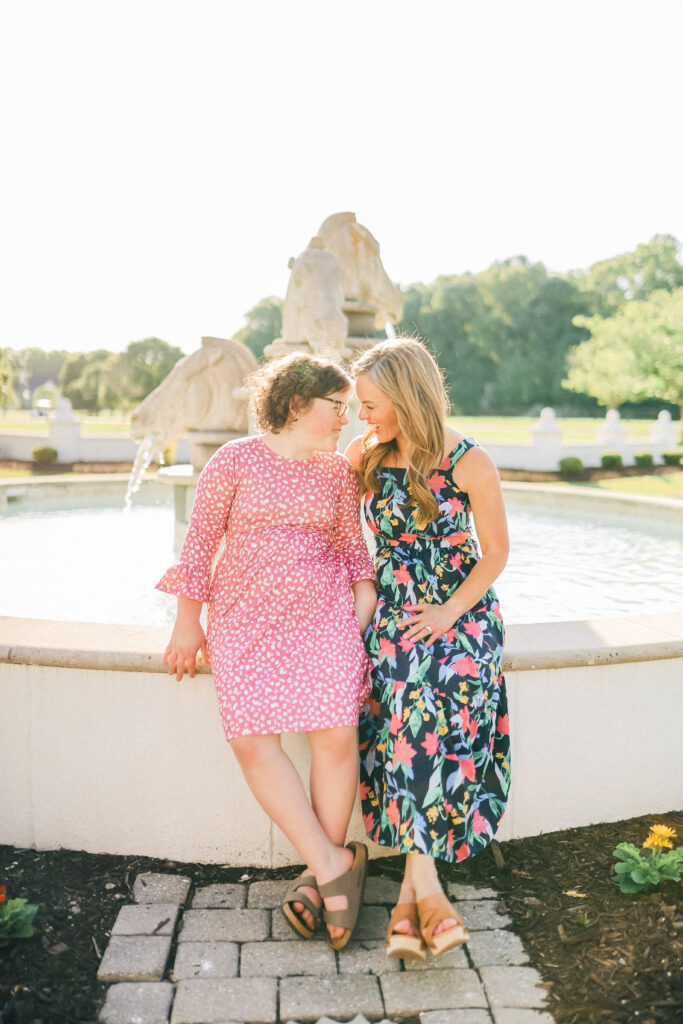
Our youngest was the caboose to our family of 5. She was born with significant hearing loss, and we’ve learned about a few other special needs since then. Going to Disney World definitely wasn’t the first thing on our minds after her diagnosis, but we did take her when she was 4 months old! Crazy, I know. Her oldest brother was turning 4, and life doesn’t slow down for anything. That first trip wasn’t the easiest, but they’ve gotten so much easier, and now helping other families plan these trips is a big part of what I do as a Certified Autism Travel Professional.
Before you go
- Preview what you’ll see: watch ride videos together so nothing comes as a surprise. Disney also publishes Sensory Experience Details for its attractions, which list things like ride length, darkness, loud noises, flashing lights and scents.
- Pack your sensory essentials: noise-reducing headphones, sunglasses, fidgets, familiar snacks and a change of clothes.
- Plan for downtime: a midday break back at the hotel can save the whole evening.
Disability Access Service (DAS)
DAS is for guests with a developmental disability, such as autism, who can’t wait in a conventional queue. It gives you a return time that’s comparable to the current standby wait, so you can wait somewhere more comfortable instead of in line.
- Registering: it’s done by live video chat, up to 60 days before your trip, between 7 AM and 8 PM Eastern. There’s no in-person registration, and the guest who needs DAS has to be on the video chat.
- Your party: the DAS guest can add up to 3 other people.
- Using it: you request return times in the My Disney Experience app, one at a time. Since it’s all in the app, you can grab your next return time from a bench while your child takes a break.
We walk through DAS step by step in our DAS guide for families.
Shows and hearing support
Even with her cochlear implants, our daughter relies so much on what she can see. Sitting close helps her follow along, even when she can’t catch every word, so at every show we ask the Cast Member at the entrance for accessible seating, which is up front. Disney also offers a lot for guests who are deaf or hard of hearing:
- Sign language interpretation: live shows are interpreted on a rotating schedule. Right now that’s Mondays and Thursdays at Magic Kingdom, Fridays at EPCOT, Sundays and Wednesdays at Hollywood Studios, and Tuesdays and Saturdays at Animal Kingdom. Disney updates the schedule weekly, so check before your trip.
- Handheld device: Guest Relations has a device for captioning and assistive listening, with a $25 refundable deposit.
- Written scripts: many attractions and shows have scripts of the dialogue and narration. Just ask before you go in.
Rider Switch
If your child can’t or doesn’t want to ride something, one adult can wait with them while the rest of your group rides. Then up to 2 people can ride without waiting in line again, so no one has to miss out.
When you need a break
Disney World can be sensory overload for any kid. When you feel a meltdown coming, get out of the heat, find somewhere calm and let everyone reset.
- Need a Break locations: Disney’s accessibility guide lists quieter spots in every park, like Center Street at Magic Kingdom, the gardens in the Japan, United Kingdom and Canada pavilions at EPCOT, the area beside The Hollywood Brown Derby at Hollywood Studios and the Maharajah Jungle Trek at Animal Kingdom.
- Baby Care Centers: every park has one, with seating and a TV in the feeding area.
- Quick-service restaurants: our go-to. Grab a snack and let them watch a show on your phone for a few minutes if that helps. Some of our favorites are Columbia Harbour House and Pecos Bill Tall Tale Inn and Cafe at Magic Kingdom (both are dark with rooms out of the way), Sunshine Seasons at EPCOT and Satu’li Canteen at Animal Kingdom.
- Companion restrooms: single-stall restrooms are in every park, and some have manual flush toilets for kids who are sensitive to loud automatic ones.
Stroller as a Wheelchair tag
If your child has trouble getting in and out of the stroller, Guest Relations can give you a tag so your stroller can stay with you in the queue, the same way a wheelchair would. We’ve only needed it once, and it was so helpful.
A few more things that help
- Fireworks: if the crowd and noise are too much, watch from farther back, away from the biggest crowds.
- Know your child’s limits: skip rides with big drops or loud effects if they’re likely to be too much. Sensory Experience Details can help you decide.
- Label everything: put your phone number on your child, their headphones and anything else that might wander off.
- Bring a communication card: a simple card with your child’s needs can help Cast Members help you.
How we help
Every child is different, and every family’s trip should fit their child. We help you sort out DAS, figure out which rides and shows are a good fit, and plan your days around breaks so they don’t fall apart by lunch. If you’re thinking about a Disney World trip, reach out and let’s talk it through.
Details were checked against Walt Disney World’s official accessibility information in November 2026. Disney updates its services from time to time, so we confirm everything again when we plan your trip.






Join the List
Stay up to date & receive the latest posts in your inbox.